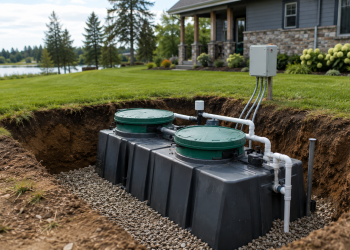
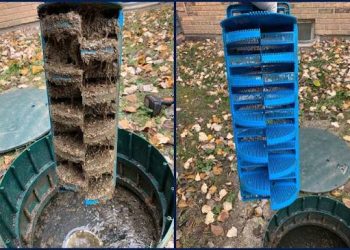
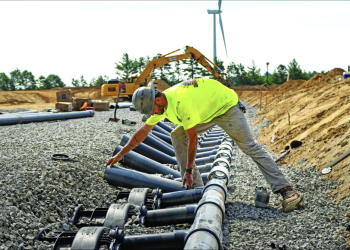
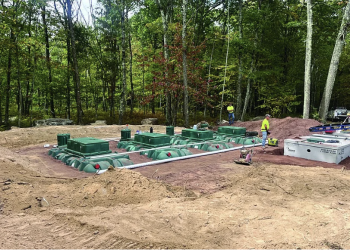
What happens when a traditional septic system just isn’t cutting it? These real-world case studies show how advanced treatment systems are solving tough wastewater challenges, from failing drainfields to limited space and high-demand properties.
New BC Research Reveals What’s Happening Underground
This recent study looked at methane emissions from household septic and holding tanks in coastal British Columbia. Researchers found that factors like scum depth can help predict methane levels, providing new insight into how septic systems contribute to greenhouse gas emissions and how those estimates can be made more accurate.
Effluent filters are a small but important part of many septic systems, yet most homeowners don’t know what they do or when they need attention. Learn how they work, why they matter, and what proper maintenance looks like.
As summer brings more guests, outdoor activities, and increased water use, your septic system can experience added strain if it isn’t properly maintained. A few simple steps, like spacing out laundry loads, protecting your drainfield, and scheduling routine maintenance, can help prevent costly repairs and keep your system running smoothly all season long.
The Importance of Surveying Onsite Wastewater Systems
Accurate site surveying is the foundation of a successful onsite wastewater system, ensuring proper system placement, regulatory compliance, and long term performance by identifying critical site features such as topography, elevations, and property boundaries.
GroundStone Onsite Waste Water Services has built a reputation by doing one thing exceptionally well: septic systems. Through specialized expertise and smart digital marketing, the company has grown into one of British Columbia’s leading onsite wastewater contractors.
Most septic tank additives aren’t necessary, as a healthy system naturally contains the bacteria needed to break down waste. Regular pumping and maintenance are far more effective at protecting your septic system than relying on additives.
Water softeners remove minerals that can cause buildup in plumbing, but their backwash can add extra sodium and water to a septic system. When properly maintained, however, most water softeners have minimal impact on septic system performance.
Onsite wastewater systems are evolving with smarter technologies and sustainable designs to meet future environmental demands. Innovation and long-term planning will be key to keeping these systems effective and reliable for years to come.
Septic Spotlight: A Massive Campground Upgrade in Ontario
Big projects aren’t just happening in cities. This massive septic installation at an Ontario campground shows how rural and recreational developments are investing in long-term wastewater solutions to support future growth.
How Much Does a Septic System Installation Cost in BC?
A septic system installation can vary significantly in cost depending on factors such as soil conditions, property layout, system type, and local regulations. While some systems are relatively straightforward to install, others may require advanced treatment units, engineering, or additional excavation, all of which can increase the overall project cost.
A rural West Virginia couple turned a frustrating septic service experience into a thriving pumping business after realizing how underserved their community was. The story highlights how reliability, responsiveness, and a willingness to service remote areas can create major opportunities in the septic industry.
Pumper’s May 2026 product news highlights new septic and wastewater industry equipment focused on improving safety, efficiency, and system maintenance. The issue features updated tools and technology designed to support contractors and onsite wastewater professionals in the field.
Septic pumping schedules are not one-size-fits-all. Factors like household size, water usage, system design, and the type of waste entering the system all play a major role in how often a tank should be pumped to keep the system performing properly and avoid costly failures.
Too Much for Your Tank: When Septic Systems Hit Their Limit
A growing K–12 school overwhelmed its outdated 1970s septic system, leading to wastewater surfacing on-site and forcing a major upgrade. The school replaced it with a modern membrane bioreactor system designed to handle higher capacity and meet discharge requirements as the campus expands.
Does a Two-Compartment Septic Tank Really Work Better?
Two-compartment septic tanks are designed to improve separation by slowing wastewater flow, which can help extend system performance. However, if not properly designed, factors like turbulence and flow disruption can reduce efficiency, meaning overall system design matters just as much as having multiple compartments.
Designing Smarter: The Power of the Multiplier Effect
The “multiplier effect” in wastewater design shows how one smart decision can improve system performance, extend lifespan, and reduce maintenance at the same time. In larger-scale projects, these compounding benefits become even more critical, shaping long-term efficiency and environmental impact.
Scaling Septic: How Commercial Systems Stay Compliant
Large-scale and commercial wastewater systems need customized, advanced treatment to handle higher loads and meet strict regulations. These case studies show that upgrading with technologies like aerobic treatment or specialized filtration improves performance, ensures compliance, and extends system life.
Rushing through work or cutting corners may seem efficient, but even small mistakes can lead to costly return visits, wasted time, extra labor, and disrupted schedules that ultimately reduce profitability. Doing the job right the first time prevents these ripple effects, improving efficiency, protecting margins, and creating a smoother workflow for both crews and customers.
Why Coastal Septic Systems Are Facing New Challenges
Sea level rise and saltwater intrusion are making it harder for septic systems to function properly, especially in coastal areas where drain fields can become too saturated to effectively treat wastewater. The report finds that while many states regulate septic systems, few are adequately planning or funding solutions to address these growing climate-related risks.
Planning and Executing Septic Installs in Remote Areas
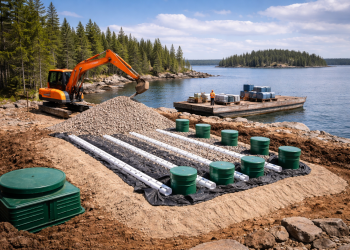
In northeastern Minnesota, challenging conditions like shallow soil and bedrock make mound systems the go-to solution for septic installations, even on remote islands. The article highlights how experienced excavation teams adapt to tough terrain and logistics to successfully complete installs in hard-to-reach locations.
New technologies are reshaping the onsite wastewater industry, improving system efficiency, monitoring, and environmental protection. Embracing innovation and ongoing training will be key as septic systems continue to evolve.
Langley RV Park Receives Major Septic System Upgrade
A recent septic project in Langley highlights the importance of upgrading aging or poorly documented systems. An RV and mobile home park required a full septic makeover after existing infrastructure began failing. With a new system design and modern treatment components, the installation restored reliable wastewater management for the property and demonstrates how proper planning and expertise can bring older systems up to modern standards.
Quebec Offers Tax Credit to Help Upgrade Septic Systems
Homeowners in Québec now have a great financial incentive to bring their septic systems up to current environmental standards. As of February 2026, eligible residents can claim a refundable tax credit when they upgrade their onsite wastewater treatment systems — including septic tanks — with a qualified contractor.
Is your septic tank trying to tell you something? Subtle signs like changes in your drains or your yard could signal it’s time to pay attention. Catching the clues early can save you from a messy and expensive surprise.
Why Septage Capacity Matters for Coastal Communities
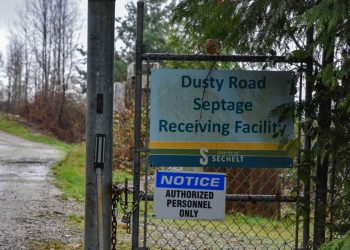
Sechelt’s only septage receiving facility is nearing capacity and approaching the end of its operational lifespan, raising concerns about how the Sunshine Coast will manage septic waste in the future. Local officials are now exploring upgrades or replacement options to ensure long-term, reliable wastewater handling for the growing community.
What to Know Before Buying a Home With a Septic System
Homes with septic systems are common and can be reliable when properly understood and maintained. The article stresses the importance of a professional septic inspection before purchasing to avoid costly surprises. Ongoing maintenance after purchase is key to protecting the system and the environment.
Turning Seasonal Downtime Into a Competitive Advantage
After a busy 2025 digging season, winter provides a valuable opportunity for installers to shift focus from the field to the business. The off-season is ideal for equipment maintenance, administrative catch-up, staff training, hiring and spring job preparation. Using this downtime strategically helps set crews up for a smoother, more profitable return when the busy season begins.
Effluent filters are a small but important part of many septic systems, yet most homeowners don’t know what they do or when they need attention. Learn how they work, why they matter, and what proper maintenance looks like.
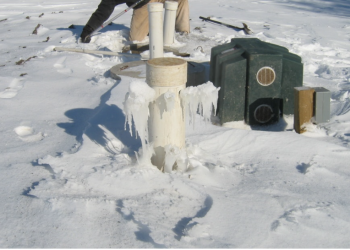
As summer brings more guests, outdoor activities, and increased water use, your septic system can experience added strain if it isn’t properly maintained. A few simple steps, like spacing out laundry loads, protecting your drainfield, and scheduling routine maintenance, can help prevent costly repairs and keep your system running smoothly all season long.
The Importance of Surveying Onsite Wastewater Systems
Accurate site surveying is the foundation of a successful onsite wastewater system, ensuring proper system placement, regulatory compliance, and long term performance by identifying critical site features such as topography, elevations, and property boundaries.
GroundStone Onsite Waste Water Services has built a reputation by doing one thing exceptionally well: septic systems. Through specialized expertise and smart digital marketing, the company has grown into one of British Columbia’s leading onsite wastewater contractors.
Most septic tank additives aren’t necessary, as a healthy system naturally contains the bacteria needed to break down waste. Regular pumping and maintenance are far more effective at protecting your septic system than relying on additives.
Water softeners remove minerals that can cause buildup in plumbing, but their backwash can add extra sodium and water to a septic system. When properly maintained, however, most water softeners have minimal impact on septic system performance.
Onsite wastewater systems are evolving with smarter technologies and sustainable designs to meet future environmental demands. Innovation and long-term planning will be key to keeping these systems effective and reliable for years to come.
Septic Spotlight: A Massive Campground Upgrade in Ontario
Big projects aren’t just happening in cities. This massive septic installation at an Ontario campground shows how rural and recreational developments are investing in long-term wastewater solutions to support future growth.
How Much Does a Septic System Installation Cost in BC?
A septic system installation can vary significantly in cost depending on factors such as soil conditions, property layout, system type, and local regulations. While some systems are relatively straightforward to install, others may require advanced treatment units, engineering, or additional excavation, all of which can increase the overall project cost.
A rural West Virginia couple turned a frustrating septic service experience into a thriving pumping business after realizing how underserved their community was. The story highlights how reliability, responsiveness, and a willingness to service remote areas can create major opportunities in the septic industry.
Pumper’s May 2026 product news highlights new septic and wastewater industry equipment focused on improving safety, efficiency, and system maintenance. The issue features updated tools and technology designed to support contractors and onsite wastewater professionals in the field.
Septic pumping schedules are not one-size-fits-all. Factors like household size, water usage, system design, and the type of waste entering the system all play a major role in how often a tank should be pumped to keep the system performing properly and avoid costly failures.
Too Much for Your Tank: When Septic Systems Hit Their Limit
A growing K–12 school overwhelmed its outdated 1970s septic system, leading to wastewater surfacing on-site and forcing a major upgrade. The school replaced it with a modern membrane bioreactor system designed to handle higher capacity and meet discharge requirements as the campus expands.
Does a Two-Compartment Septic Tank Really Work Better?
Two-compartment septic tanks are designed to improve separation by slowing wastewater flow, which can help extend system performance. However, if not properly designed, factors like turbulence and flow disruption can reduce efficiency, meaning overall system design matters just as much as having multiple compartments.
Designing Smarter: The Power of the Multiplier Effect
The “multiplier effect” in wastewater design shows how one smart decision can improve system performance, extend lifespan, and reduce maintenance at the same time. In larger-scale projects, these compounding benefits become even more critical, shaping long-term efficiency and environmental impact.
Scaling Septic: How Commercial Systems Stay Compliant
Large-scale and commercial wastewater systems need customized, advanced treatment to handle higher loads and meet strict regulations. These case studies show that upgrading with technologies like aerobic treatment or specialized filtration improves performance, ensures compliance, and extends system life.
Rushing through work or cutting corners may seem efficient, but even small mistakes can lead to costly return visits, wasted time, extra labor, and disrupted schedules that ultimately reduce profitability. Doing the job right the first time prevents these ripple effects, improving efficiency, protecting margins, and creating a smoother workflow for both crews and customers.
Why Coastal Septic Systems Are Facing New Challenges
Sea level rise and saltwater intrusion are making it harder for septic systems to function properly, especially in coastal areas where drain fields can become too saturated to effectively treat wastewater. The report finds that while many states regulate septic systems, few are adequately planning or funding solutions to address these growing climate-related risks.
Planning and Executing Septic Installs in Remote Areas
In northeastern Minnesota, challenging conditions like shallow soil and bedrock make mound systems the go-to solution for septic installations, even on remote islands. The article highlights how experienced excavation teams adapt to tough terrain and logistics to successfully complete installs in hard-to-reach locations.
New technologies are reshaping the onsite wastewater industry, improving system efficiency, monitoring, and environmental protection. Embracing innovation and ongoing training will be key as septic systems continue to evolve.
Langley RV Park Receives Major Septic System Upgrade
A recent septic project in Langley highlights the importance of upgrading aging or poorly documented systems. An RV and mobile home park required a full septic makeover after existing infrastructure began failing. With a new system design and modern treatment components, the installation restored reliable wastewater management for the property and demonstrates how proper planning and expertise can bring older systems up to modern standards.
Quebec Offers Tax Credit to Help Upgrade Septic Systems
Homeowners in Québec now have a great financial incentive to bring their septic systems up to current environmental standards. As of February 2026, eligible residents can claim a refundable tax credit when they upgrade their onsite wastewater treatment systems — including septic tanks — with a qualified contractor.
Is your septic tank trying to tell you something? Subtle signs like changes in your drains or your yard could signal it’s time to pay attention. Catching the clues early can save you from a messy and expensive surprise.
Why Septage Capacity Matters for Coastal Communities
Sechelt’s only septage receiving facility is nearing capacity and approaching the end of its operational lifespan, raising concerns about how the Sunshine Coast will manage septic waste in the future. Local officials are now exploring upgrades or replacement options to ensure long-term, reliable wastewater handling for the growing community.
What to Know Before Buying a Home With a Septic System
Homes with septic systems are common and can be reliable when properly understood and maintained. The article stresses the importance of a professional septic inspection before purchasing to avoid costly surprises. Ongoing maintenance after purchase is key to protecting the system and the environment.
Turning Seasonal Downtime Into a Competitive Advantage
After a busy 2025 digging season, winter provides a valuable opportunity for installers to shift focus from the field to the business. The off-season is ideal for equipment maintenance, administrative catch-up, staff training, hiring and spring job preparation. Using this downtime strategically helps set crews up for a smoother, more profitable return when the busy season begins.
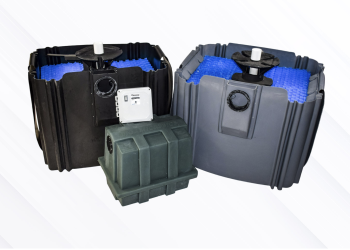
MicroFAST Flex: A Smarter Onsite Wastewater Solution
The MicroFAST Flex Series uses proven FAST technology to deliver advanced, energy-efficient wastewater treatment for residential and light commercial applications. Available in 400 and 500 gallons-per-day models, it’s designed for flexible installation in new or existing tanks. NSF 40 and 245 certified, MicroFAST Flex provides reliable performance with simple operation and maintenance.
Septic Maintenance 101: What Every Homeowner Should Know
This quick read breaks down how septic systems work and why regular maintenance matters. From pump-out timing to everyday habits, it explains how small steps prevent big repairs. A great refresher for homeowners looking to protect their system and their property.
Septic Installer Welcomes Challenging Rhode Island Projects showcases how Todd Willis and his team from New London County Septic & Excavation are taking on tough installation jobs in Rhode Island, including sites with rocks, steep slopes, and tight space limits. The story highlights their experience and willingness to tackle bigger, more complex septic system projects.
Recent inspection data shows that system performance and proper maintenance remain a key focus across the septic industry. A 2025 report from EPA Ireland found that over half of inspected septic systems failed due to maintenance or installation issues. Many of these failures were linked to ageing systems, infrequent servicing, or unapproved modifications. The findings reinforce the importance of routine inspections and proactive maintenance to protect groundwater, nearby waterways, and household health.
Residential wastewater design flows vary widely across the U.S. and Canada, largely due to differing regulatory safety factors rather than actual differences in household water use. This article by Sara Heger explores how peak flow events, fixture usage, household size, and system design assumptions impact onsite wastewater treatment system (OWTS) performance. Understanding peak flows, safety margins, and real-world water use is critical to designing cost-effective, long-lasting systems that can handle daily demand, occasional surges, and unexpected issues like leaks—without compromising treatment efficiency or system longevity.